
Definition
The liver is a large, vital organ located on the right side of the abdomen that performs hundreds of essential functions to keep the body healthy. It helps filter toxins from the blood, produces bile for digestion, stores nutrients and energy, regulates blood sugar levels, and processes medications and waste products.
The liver is one of the most important organs in the human body, performing hundreds of essential tasks that keep you healthy and functioning properly. Located in the upper right side of the abdomen, it acts as the body’s natural processing center, helping manage nutrients, filter harmful substances, and support many vital bodily functions.
One of the liver’s primary roles is to remove toxins and waste products from the bloodstream. It processes medications, alcohol, and other substances that enter the body, helping prevent harmful chemicals from building up. The liver also produces bile, a digestive fluid that helps break down fats and allows the body to absorb important nutrients from food.
In addition to detoxification and digestion, the liver stores energy, regulates blood sugar levels, and produces proteins needed for blood clotting and overall health. Because it performs so many critical functions, maintaining a healthy liver is essential for overall well-being. Understanding what the liver does can help you appreciate its importance and take steps to protect it.
What Does the Liver Do? Let’s Start with the Basics
Your liver works around the clock. Every minute of every day, this remarkable organ performs hundreds of tasks that keep you alive and well. But here is the thing. Most people have no idea just how much their liver does for them. They might know it filters alcohol or helps with digestion, but that barely scratches the surface.
Let’s fix that right now.
This article takes you deep into the world of liver function. You will learn exactly what the liver does, how it works, and why it matters for your everyday health. No fluff. No gimmicks. Just clear, useful information you can actually use. And along the way, we will bust some myths about detoxes and cleanses that simply do not hold up to scientific scrutiny.
Location, Size, and Why the Liver Deserves More Respect
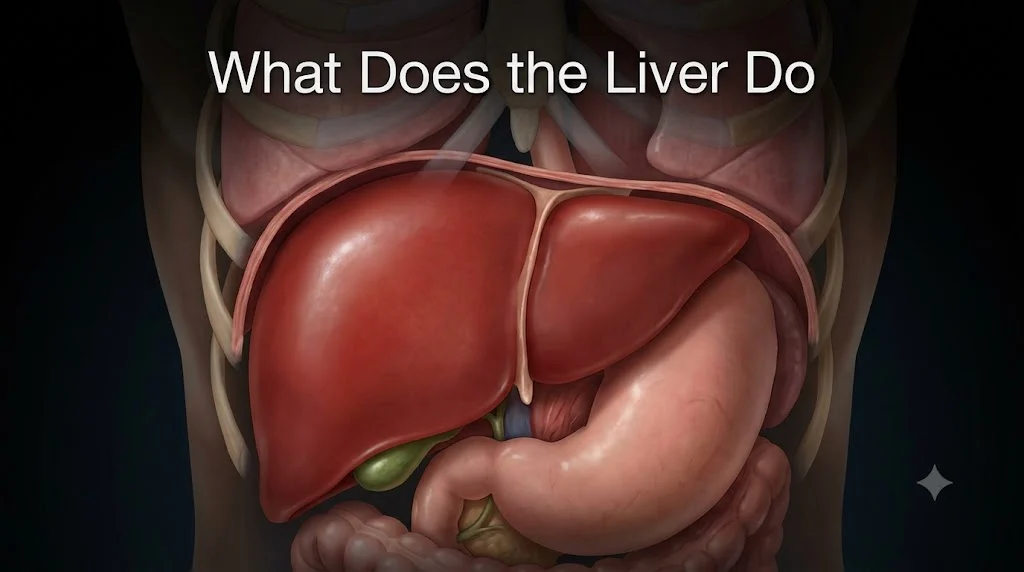
Your liver sits in the upper right side of your abdomen, tucked safely beneath your rib cage and just below your diaphragm . It is your body’s largest internal organ. We are talking about something roughly the size of a football. In an average adult, the liver weighs about three pounds, though it can range from three to five pounds depending on your body size .
At any given moment, about 13 percent of your total blood supply is sitting right there in your liver . That is a significant amount of blood. And it flows through the liver for a reason. Every bit of blood that leaves your stomach and intestines must pass through the liver before it travels anywhere else in your body .
Think of the liver as the ultimate inspection station. It checks everything. Nutrients, toxins, medications, and waste products all get screened before moving on. The liver then decides what to keep, what to process, what to store, and what to send out .
The Liver’s Blood Supply: A Remarkable Setup
To understand what the liver does, you first need to understand how blood reaches it. The liver has a unique dual blood supply system, one that no other organ shares .
The hepatic portal vein delivers about 75 percent of the liver’s blood supply. This blood comes directly from your digestive system. It carries nutrients, medications, and sometimes toxins that have been absorbed from your food. The hepatic artery delivers the remaining 25 percent. This blood comes from your heart and carries oxygen to keep liver tissue healthy and functioning .
These two blood sources mix inside the liver. Then the blood flows through a network of tiny channels where liver cells do their work. Once processed, the blood leaves through the hepatic vein and returns to your heart .
The Functions of the Liver: Breaking It Down
Medical experts have identified over 500 vital functions performed by the liver . That sounds overwhelming, so let us group them into clear categories.
Metabolic Mastery: How the Liver Handles Carbs, Fats, and Proteins
The liver is the central command center for metabolism. It processes almost everything you eat or drink.
Carbohydrate metabolism. When you eat a meal, your blood sugar rises. Your liver responds by pulling excess glucose out of the blood and storing it as glycogen . Think of glycogen as your body’s backup battery. Later, between meals or during exercise, when your blood sugar drops, the liver breaks that glycogen back down into glucose and releases it into your bloodstream . This keeps your brain and muscles fueled.
If your glycogen stores run low, the liver can also manufacture glucose from other sources like amino acids and certain carbohydrates . This process is called gluconeogenesis, and it is crucial during fasting or prolonged exercise.
Fat metabolism. Your liver breaks down dietary fats and converts excess carbohydrates and proteins into fat for storage . It also manufactures about half of the body’s cholesterol . Cholesterol often gets a bad rap, but it is essential for building cell membranes and producing hormones. Most of the cholesterol your liver produces goes into making bile, which we will cover shortly.
When your body needs energy, the liver can break down fat stores into ketones. This alternative fuel source becomes especially important when you are fasting or following a low-carb diet.
Protein metabolism. Amino acids from protein digestion travel to the liver for processing. The liver uses them to build important proteins your body needs. It also breaks down excess amino acids for energy. This process produces ammonia, which is highly toxic. The liver quickly converts that ammonia into urea, a much less harmful substance that your kidneys excrete in urine .
Blood sugar regulation. This deserves its own mention. Your liver works tirelessly to keep your blood glucose levels stable . After a meal, it stores glucose. Between meals, it releases glucose. When your blood sugar drops dangerously low, your liver can even produce new glucose from scratch. This constant balancing act is essential for survival.
Bile Production: Your Fat Digestion Powerhouse
The liver produces between 800 and 1,000 milliliters of bile every single day . Bile is a thick, greenish-yellow fluid that serves two main purposes.
First, bile helps digest fats. It acts like dish soap breaking down grease. Bile emulsifies fats in your small intestine, making them easier for digestive enzymes to break down . Without bile, you simply cannot absorb dietary fats or the fat-soluble vitamins A, D, E, and K that come with them .
Second, bile carries away waste products. This includes bilirubin, cholesterol, and other substances your body needs to eliminate .
Bile leaves the liver through a network of ducts. The common hepatic duct transports it to the gallbladder for storage and concentration. When you eat a fatty meal, the gallbladder squeezes bile into the small intestine . About 95 percent of the bile salts get reabsorbed in the intestine and recycled back to the liver through enterohepatic circulation . This recycling system is remarkably efficient.
Blood Filtration and Detoxification: The Real Story
Here is where we need to clear up some common misconceptions. Your liver does not act like a coffee filter that simply traps toxins. It is a sophisticated chemical processing plant that transforms harmful substances into less dangerous forms .
The liver processes toxins through a two-step system .
Phase I detoxification uses enzymes, primarily from the cytochrome P450 family, to modify toxins through oxidation, reduction, or hydrolysis. This step makes substances more water-soluble. It also produces reactive intermediates that can be more toxic than the original substance. That is why phase II must happen quickly.
Phase II detoxification attaches other molecules to the modified toxins in a process called conjugation. This makes the substances even more water-soluble. Common conjugation pathways include glucuronidation, sulfation, and glutathione conjugation .
Glutathione is particularly important here. Depletion of reduced glutathione can allow toxic metabolites to accumulate, which is exactly what happens in acetaminophen overdose . This is why you should never exceed the recommended dose of acetaminophen, even though it is a common over-the-counter pain reliever.
Once processed, the liver sends waste products to your intestines via bile, where they leave your body in stool. Or it releases them back into the blood, where your kidneys filter them out and excrete them in urine .
Storage: The Liver as Your Body’s Warehouse
Your liver serves as a storage facility for several essential nutrients .
Vitamins. The liver stores fat-soluble vitamins A, D, E, and K. It also holds significant amounts of vitamin B12. When your body needs these nutrients, the liver releases them into the bloodstream .
Minerals. Iron and copper are stored in the liver. In fact, the liver processes hemoglobin from old red blood cells to recover its iron content .
Glycogen. As mentioned earlier, the liver stores glycogen as a short-term energy reserve. This stored glycogen provides about 400 calories of readily available energy.
Fats. The liver also stores some fats. But too much fat storage leads to fatty liver disease, which we will cover shortly.
Protein Production: Building Blocks for Life
The liver manufactures many of the proteins your body relies on .
Albumin is the most abundant protein in blood plasma. It helps maintain fluid pressure in your blood vessels. Without enough albumin, fluid leaks out of your bloodstream, causing swelling in your legs and abdomen .
Clotting factors. Your liver produces most of the proteins that allow your blood to clot after an injury . These factors include prothrombin and fibrinogen. Without them, you would bleed excessively from minor wounds. Vitamin K is essential for activating these clotting factors, which is why vitamin K deficiency leads to bleeding problems .
Carrier proteins. The liver makes proteins that transport hormones, drugs, and fatty acids through your bloodstream .
Bilirubin Processing: Why Yellow Skin Is a Warning Sign
When red blood cells reach the end of their lifespan, they break down. This produces bilirubin, a yellow pigment .
Bilirubin is toxic if it builds up. The liver binds bilirubin to albumin and transports it to the liver cells. There, the liver conjugates bilirubin, making it water-soluble and safe. The conjugated bilirubin then goes into bile and eventually leaves your body in stool .
When your liver cannot process bilirubin effectively, it accumulates in your blood. This causes jaundice, the yellowing of your skin and the whites of your eyes . Jaundice is a significant warning sign that something is wrong with your liver, gallbladder, or bile ducts.
Immune Function: The Liver’s Defense Role
Your liver does not just filter blood and process nutrients. It also helps fight infections.
Specialized cells called Kupffer cells act as macrophages. They patrol your liver, engulfing bacteria, viruses, and other harmful substances that enter from your intestines . The liver also produces immune factors that help your body resist infections .
Given that all blood from your digestive system passes through the liver first, this immune function is critical. Your liver acts as a frontline defense against pathogens trying to invade your body through your gut.
Hormone Regulation: Keeping Your System Balanced
The liver breaks down hormones after they have completed their function . This includes sex hormones like estrogen and testosterone. It also processes thyroid hormones and cortisol .
When liver function declines, hormone levels can become unbalanced. Estrogen dominance, for example, can occur when the liver fails to clear estrogen efficiently. This can lead to symptoms like PMS, mood swings, and fluid retention. The liver also performs the deiodination of T4 to T3, making it a key player in thyroid hormone regulation .
Cholesterol Regulation: Making and Managing
About half of your body’s cholesterol comes from your liver. The rest comes from your diet . The liver manufactures cholesterol for several purposes.
It uses cholesterol to make bile, which aids fat digestion. It also uses cholesterol as a building block for cell membranes and hormones, including estrogen, testosterone, and adrenal hormones .
The liver also works to clear excess cholesterol from the blood. It packages cholesterol into lipoproteins for transport or converts it into bile acids for excretion. When this system breaks down, cholesterol can accumulate in the blood, increasing your risk of cardiovascular disease.
Red Blood Cell Recycling: The Cycle of Life
Your liver plays an important role in breaking down old or damaged red blood cells . This process is part of the body’s natural cell turnover cycle.
The liver removes the iron from hemoglobin and stores it for future use. It then processes the remaining heme into bilirubin, as discussed earlier. Without this recycling system, your body would struggle to maintain adequate iron levels and would accumulate toxic breakdown products.
Common Liver Diseases: What Can Go Wrong
Your liver is resilient, but it is not invincible. Many conditions can damage this organ and impair its function. Here are the most common ones.
Fatty Liver Disease
Fatty liver disease is the most common liver condition in the Western world. It occurs when excess fat accumulates in liver cells . The prevalence of non-alcoholic fatty liver disease has risen dramatically in recent decades, driven by obesity and type 2 diabetes .
In some cases, fatty liver progresses to non-alcoholic steatohepatitis, which involves inflammation and cell damage. This can lead to fibrosis, cirrhosis, and eventually liver failure .
Cirrhosis
Cirrhosis is the end stage of many liver diseases. It involves severe scarring that replaces healthy liver tissue . The scar tissue disrupts blood flow and impairs liver function. Once cirrhosis develops, the damage cannot be reversed. Treatment focuses on preventing further damage and managing complications.
Common causes of cirrhosis include chronic hepatitis, excessive alcohol consumption, and fatty liver disease .
Hepatitis
Hepatitis simply means inflammation of the liver. It can be caused by viruses, alcohol, drugs, or autoimmune conditions .
Viral hepatitis is particularly concerning. Hepatitis A is usually acute and self-limiting. Hepatitis B and C can become chronic infections that lead to cirrhosis and liver cancer . Vaccinations are available for hepatitis A and B.
Alcoholic Liver Disease
Alcohol is a toxin. Your liver has to process every drop you drink. Heavy alcohol use over many years can cause inflammation, fatty liver, hepatitis, and cirrhosis . Alcohol-related liver disease is largely preventable. The Australian Alcohol Guidelines recommend no more than 10 standard drinks per week and no more than 4 on any single day .
Liver Cancer
Primary liver cancer, known as hepatocellular carcinoma, most often develops in people with cirrhosis . It is a serious condition that requires prompt treatment. Risk factors include chronic hepatitis B and C, alcohol abuse, and fatty liver disease.
Autoimmune Liver Diseases
Some people develop liver damage because their immune system attacks their own liver cells. Autoimmune hepatitis and primary biliary cholangitis are examples of these conditions . These diseases are more common in women and often require long-term immunosuppressive treatment.
Warning Signs: When Your Liver Needs Attention
Because the liver is so resilient, symptoms of liver disease often appear only after significant damage has occurred . However, there are warning signs you should not ignore.
Early symptoms can include:
- Fatigue that does not go away
- Nausea or vomiting
- Loss of appetite
- Discomfort in the upper right abdomen
- Diarrhea
More advanced symptoms include:
- Jaundice, yellowing of the skin and eyes
- Dark urine
- Clay-colored or pale stool
- Swelling in the legs and ankles (edema)
- Abdominal bloating and fluid accumulation (ascites)
- Easy bruising or bleeding
- Itchy skin
- Confusion or changes in mental state
If you experience any of these symptoms, see a healthcare provider. Catching liver problems early can make a huge difference in treatment outcomes.
Liver Function Tests: What They Measure
Your doctor can assess liver health through blood tests called liver function tests . These tests measure levels of specific enzymes and proteins in your blood.
Alanine transaminase (ALT) is an enzyme found mostly in the liver. Elevated ALT suggests liver cell damage. Aspartate transaminase (AST) is found in the liver as well as other tissues like heart and muscle. Elevated AST can indicate liver damage but is less specific than ALT.
Alkaline phosphatase (ALP) is an enzyme found in the liver, bones, and bile ducts. Elevated ALP may indicate bile duct blockage or bone disease.
Bilirubin measures how well your liver processes and excretes this waste product. Elevated bilirubin causes jaundice.
Albumin measures the protein production capacity of your liver. Low albumin suggests chronic liver disease.
Prothrombin time (PT) measures how well your blood clots. The liver produces clotting factors, so prolonged PT suggests liver dysfunction .
In addition to blood tests, imaging studies like ultrasound, CT scans, MRI, and elastography can assess liver structure and detect scarring. In some cases, a liver biopsy is necessary for diagnosis.
How to Keep Your Liver Healthy
You do not need expensive cleanses or detox kits to keep your liver healthy. Your liver detoxifies itself every single day. What it needs from you is consistent, sensible care .
What Actually Helps Your Liver
Limit alcohol. This is the single most important factor. Alcohol is a toxin, and your liver has to process it. Drink within recommended guidelines or avoid alcohol entirely if you have liver disease .
Eat a balanced diet. Focus on whole foods, including vegetables, fruits, lean proteins, and healthy fats. The Mediterranean diet is particularly beneficial for liver health .
Maintain a healthy weight. Excess body fat, especially around your waist, contributes to fatty liver disease. Losing even 5 to 10 percent of your body weight can improve liver health significantly.
Exercise regularly. Physical activity reduces liver fat independent of weight loss. Aim for at least 150 minutes of moderate activity per week.
Avoid unnecessary medications and supplements. Many drugs and herbal products can damage your liver. Take medications only as prescribed. Be especially careful with acetaminophen, which can cause liver failure at high doses .
Stay hydrated. Water helps your kidneys excrete waste products, which takes some pressure off your liver.
Get vaccinated. Hepatitis A and B vaccines are safe and effective. Talk to your doctor about whether you need them.
Practice safe sex and avoid sharing needles. Hepatitis B and C spread through blood and bodily fluids. Needle sharing is a major risk factor.
Manage diabetes and cholesterol. Keep your blood sugar and cholesterol within healthy ranges to reduce liver stress.
What Does Not Help Your Liver
Detox teas and cleanses. These products are not supported by science. At best, they do nothing. At worst, they can contain herbs that actually damage your liver .
Juice cleanses. Liquid-only diets can overload your liver with fructose, which gets metabolized directly in the liver. Too much fructose contributes to fatty liver.
Charcoal supplements. While activated charcoal is useful in medical emergencies for certain poisonings, it does not cleanse your liver. It absorbs toxins in your gut, not your bloodstream.
Extreme fasting. Very low calorie diets can stress your liver and promote muscle breakdown, which creates more nitrogen waste for your liver to process.
FAQs
1. What does the liver do?
The liver filters toxins, processes nutrients, produces bile, and supports many essential body functions.
2. Why is the liver important?
The liver helps keep the body healthy by removing waste products and regulating important chemicals in the blood.
3. What is bile and why does the liver make it?
Bile is a digestive fluid that helps break down fats and absorb certain nutrients.
4. Can a person live without a liver?
No, the liver performs vital functions that are necessary for survival.
5. How does the liver remove toxins?
The liver processes harmful substances and converts them into waste that the body can eliminate.
6. What foods are good for liver health?
Fruits, vegetables, whole grains, lean proteins, and healthy fats can support liver function.
7. What are signs of liver problems?
Common signs include fatigue, yellowing of the skin or eyes, abdominal pain, and dark urine.
8. Can the liver repair itself?
Yes, the liver has a unique ability to regenerate and repair damaged tissue under the right conditions.
Conclusion
The liver is one of the most important organs in the human body, performing hundreds of essential functions that help keep you healthy. From filtering toxins and waste products from the blood to producing bile for digestion, the liver works continuously to support many vital bodily processes.
In addition to detoxification, the liver helps regulate blood sugar levels, stores important nutrients such as vitamins and minerals, and produces proteins that are necessary for blood clotting and immune function. Its ability to process nutrients and medications makes it a key part of maintaining overall health and balance within the body.
Understanding what the liver does highlights the importance of taking care of it through a healthy lifestyle, balanced diet, regular exercise, and limiting alcohol consumption. A healthy liver contributes to better digestion, energy levels, and long-term well-being, making it one of the body’s most valuable organs.
Discover More Related Articles: