
Definition
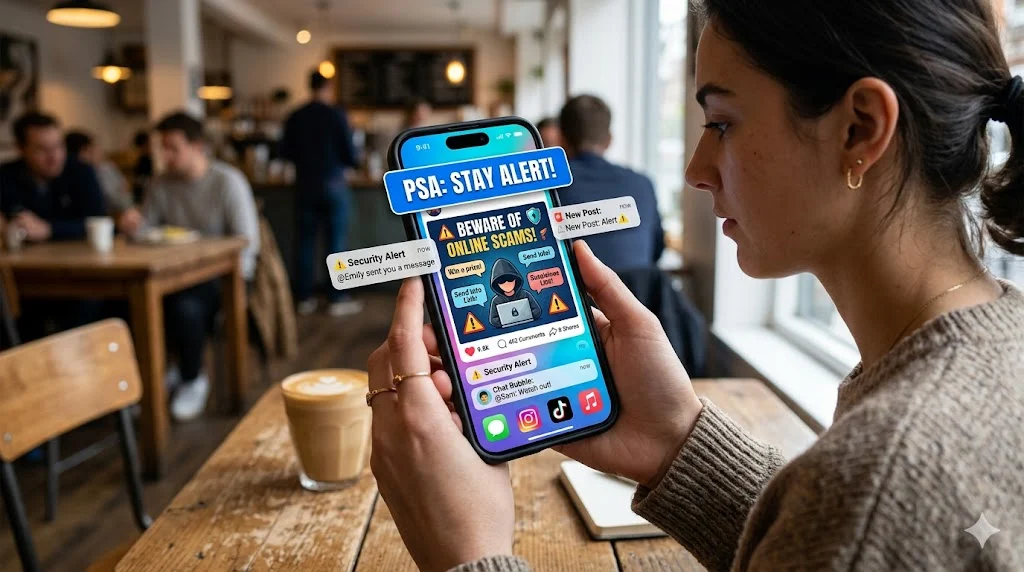
PSA in slang means “Public Service Announcement.” It is used to share important information, warnings, reminders, or helpful advice with a wide audience, especially on social media or online platforms.
If you spend time on social media platforms like TikTok, Instagram, X (Twitter), Reddit, or even group chats, you’ve probably seen someone start a message with “PSA”. It often appears in posts like “PSA: don’t ignore this” or “PSA for everyone using this app.”
Naturally, people search PSA meaning slang because it looks like an abbreviation—but it’s not always obvious what it stands for or why people use it.
The truth is, PSA is not new internet slang, but its usage has exploded online in recent years. It is commonly used to grab attention before sharing important, helpful, or warning-type information.
What Does PSA Mean in Slang?
In internet slang and everyday communication, PSA stands for Public Service Announcement.
It is used when someone wants to:
- Share important information
- Warn others about something
- Give helpful advice
- Spread awareness
- Highlight a common mistake
Simple meaning:
👉 “Hey everyone, pay attention to this important information.”
Origin of PSA (Public Service Announcement)
The term PSA originally comes from traditional media, not internet slang.
Origin background:
- Used in radio broadcasts
- Used in TV announcements
- Used in government or public awareness campaigns
Originally, PSAs were created to:
- Inform the public about safety issues
- Spread health awareness
- Share emergency alerts
- Promote social responsibility
Later, social media adopted the term in a more casual and humorous way.
Why PSA Became Popular on Social Media
PSA became widely used online because it is:
- Short and attention-grabbing
- Easy to understand
- Perfect for warnings or advice
- Ideal for viral content
- Useful in group chats and comments
Social media usage style:
People now use “PSA” even for:
- Funny warnings 😂
- Relatable advice
- Everyday reminders
- Life hacks
- Personal opinions
PSA Meaning in Different Contexts
The meaning of PSA can slightly change depending on tone and platform.
1. Serious PSA (original meaning)
Used for real warnings or important info.
Example:
- “PSA: Drink more water in summer to avoid dehydration.”
2. Informal PSA (social media slang)
Used casually or humorously.
Example:
- “PSA: Don’t text your ex at 2 AM 😭”
3. Warning PSA
Used to alert people about risks.
Example:
- “PSA: Watch out for fake job offers online.”
4. Advice PSA
Used to give helpful life tips.
Example:
- “PSA: Always double-check your emails before sending.”
Table: PSA Meaning in Different Contexts
| Context | Meaning | Tone | Example |
|---|---|---|---|
| Serious | Public warning | Formal | “PSA: Stay safe during storms.” |
| Informal | Funny advice | Casual | “PSA: Don’t date toxic people.” |
| Warning | Alert message | Serious | “PSA: Beware of scams.” |
| Advice | Helpful tip | Friendly | “PSA: Drink water daily.” |
Examples of PSA in Real-Life Usage
Social media posts:
- “PSA: Stop comparing your life to Instagram highlights.”
- “PSA: Turn off notifications to focus better.”
- “PSA: Not everyone deserves your energy.”
Group chats:
- “PSA: Meeting moved to 5 PM.”
- “PSA: Don’t forget assignment deadline tomorrow.”
Humor style:
- “PSA: Never trust a ‘I’m on my way’ text 😂”
- “PSA: Hunger makes people emotional 😭”
Emotional Tone of PSA
The tone of PSA depends on how it is used.
Tone types:
- Serious 🚨
- Informative 📢
- Funny 😂
- Warning ⚠️
- Supportive ❤️
This flexibility is why it is so popular online.
PSA vs Similar Terms
Difference PSA vs FYI
| PSA | FYI |
|---|---|
| Public announcement | For your information |
| Wider audience | Personal or direct info |
| Often urgent or important | Neutral information |
PSA vs Reminder
| PSA | Reminder |
|---|---|
| Public message | Personal note |
| Broad audience | Specific person |
| Attention-grabbing | Simple notice |
PSA vs Alert
| PSA | Alert |
|---|---|
| Informational | Emergency or urgent |
| Social usage | System or warning message |
Why People Use PSA in Texting
People use PSA because it:
- Grabs attention instantly
- Makes messages feel important
- Adds humor or drama
- Organizes group communication
- Spreads awareness quickly
Common Misunderstandings About PSA
❌ Mistake 1: Thinking it is only for serious news
It can also be funny or casual.
❌ Mistake 2: Assuming it is a new slang term
It actually existed long before social media.
❌ Mistake 3: Confusing it with other abbreviations
PSA always stands for Public Service Announcement in slang context.
When to Use PSA
Appropriate situations:
- Sharing important advice
- Warning others
- Posting helpful tips
- Making humorous public statements
Avoid using PSA:
- In formal business reports
- Academic writing
- Private one-on-one chats (unless relevant)
Real-Life PSA Style Examples
Health PSA:
“PSA: Sleep at least 7 hours for better focus and health.”
Safety PSA:
“PSA: Don’t share personal OTPs with anyone.”
Relationship PSA:
“PSA: Communication is more important than guessing feelings.”
Funny PSA:
“PSA: Don’t trust yourself when you’re hungry shopping 😂”
Why PSA Is So Popular on TikTok & Instagram
PSA became viral on short-video platforms because:
- It sounds official
- It creates curiosity
- It increases engagement
- It works well in captions
- It fits meme culture
Creators often use it to:
- Start storytelling videos
- Share relatable advice
- Make humorous warnings
Synonyms of PSA
- Announcement
- Warning
- Notice
- Advisory
- Alert
- Information message
Antonyms of PSA
- Private message
- Personal note
- Hidden information
- Confidential message
FAQs:
1. What does PSA mean in slang?
PSA stands for Public Service Announcement and is used to share important or helpful information with others.
2. Is PSA only for serious information?
No, PSA is not only serious. It can also be used in a funny, casual, or relatable way on social media.
3. Where is PSA commonly used?
PSA is commonly used on platforms like TikTok, Instagram, Twitter (X), Reddit, and in group chats.
4. Is PSA formal or informal?
PSA can be both. It originally comes from formal announcements, but online it is often used informally.
5. What is an example of PSA in texting?
Example: “PSA: Don’t ignore your mental health.”
6. Is PSA the same as a warning?
Not exactly. A warning is usually urgent, while a PSA is broader and can include advice, reminders, or information.
7. Can PSA be funny?
Yes, many people use PSA in memes or jokes to make humorous or relatable statements.
8. Why do people start messages with PSA?
People use PSA at the beginning of a message to grab attention and make the information feel more important.
Conclusion:
The slang PSA meaning stands for Public Service Announcement, and it is used to share important, helpful, or attention-worthy information with others.
Today, people use PSA to quickly grab attention and highlight messages that they want others to notice—whether it’s serious safety advice, helpful reminders, or humorous takes on everyday situations. Its popularity on platforms like TikTok, Instagram, and Twitter shows how internet language continues to evolve into short, expressive, and engaging forms.
In short, PSA is a simple but powerful slang term that helps people communicate clearly and effectively in both serious and casual online conversations.
In today’s digital world, PSA has become a powerful communication tool—whether it’s used for real warnings or lighthearted jokes, it always makes people stop and pay attention.
Discover More Related Articles: