
Definition
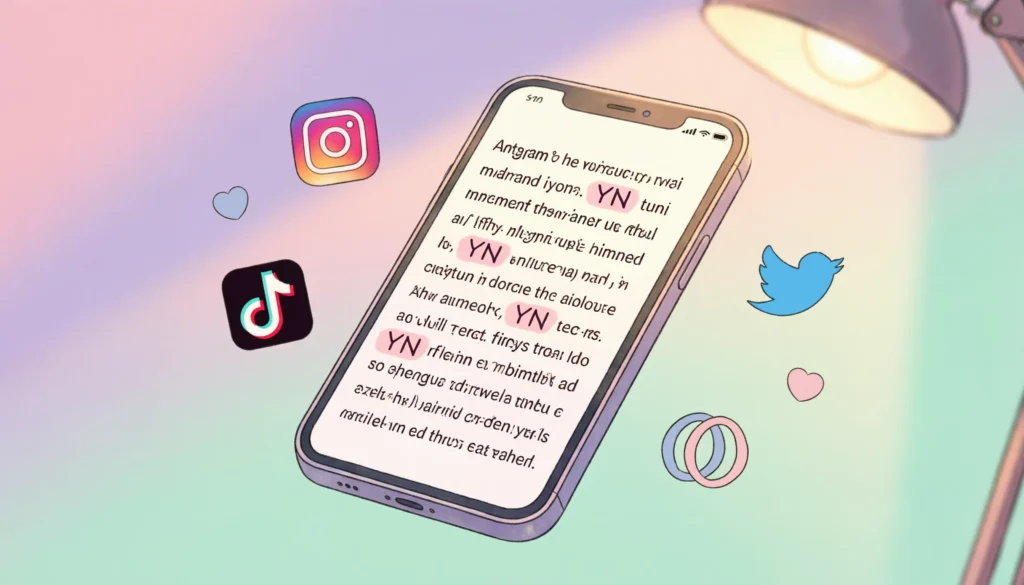
“YN” typically stands for “Your Name.” It is commonly used in fanfiction, roleplay, and online storytelling where readers insert themselves into a story by replacing “YN” with their own name.
If you’ve ever scrolled through fanfiction, TikTok edits, or online chat threads and stumbled across “YN,” you’re not alone in wondering what it means. At first glance, it might seem like just another internet abbreviation—but it actually plays a unique role in how people interact with content online.
Unlike casual slang such as “LOL” or “BRB,” “YN” is more immersive. It invites you into the story, making you part of the narrative rather than just a reader. That’s a big reason why it has gained popularity, especially among younger audiences and fandom communities.
In this guide, we’ll break down exactly what “YN” means, where it comes from, how people use it, and how it compares to similar terms. By the end, you’ll not only understand it—you’ll know how to use it naturally.
Origin of YN
The abbreviation “YN” comes directly from the phrase “Your Name.”
Where it started:
- Fanfiction communities (especially on platforms like Wattpad and Tumblr)
- Roleplay forums and online storytelling spaces
- Interactive fiction and reader-insert stories
Writers needed a simple way to personalize stories without rewriting them for every reader. Instead of using a fixed character name, they used “YN” so readers could imagine themselves as the main character.
Why it became popular:
- Creates a personalized reading experience
- Makes stories feel more engaging and immersive
- Easy to use and widely understood in fandom culture
Over time, “YN” spread beyond fanfiction into:
- TikTok captions
- Instagram edits
- Text-based roleplay
- Meme culture
How YN Is Used in Real Life
“YN” is most commonly used in storytelling or fictional contexts, rather than everyday texting.
1. In Fanfiction
Writers use “YN” as a placeholder for the reader’s name.
Example:
- “YN walked into the room and everyone turned to look.”
👉 The reader mentally replaces “YN” with their own name.
2. In Roleplay Conversations
People use it to keep interactions flexible and inclusive.
Example:
- “Hey YN, are you ready for the mission?”
3. On Social Media (TikTok/Instagram)
Used in captions or edits to make content feel personal.
Example:
- “POV: Your crush finally texts you back, YN 💬❤️”
4. In Interactive Stories
Apps and posts that simulate choices often use “YN” for customization.
Examples of YN in Different Contexts
Below is a table showing how “YN” appears across different tones and scenarios:
| Context | Example Sentence | Tone |
|---|---|---|
| Fanfiction | “YN smiled as they saw him again.” | Romantic/Immersive |
| Roleplay | “YN, we need your help right now!” | Urgent/Interactive |
| Social Media | “Imagine this happens to you, YN 😍” | Playful/Engaging |
| Narrative Story | “YN made a choice that changed everything.” | Dramatic |
| Meme Content | “When YN forgets their homework again 😂” | Humorous |
Tone and Interpretation
“YN” doesn’t carry emotion by itself—it depends entirely on context.
Tone variations:
- 😊 Friendly/romantic: “YN, I missed you.”
- 😐 Neutral: “YN entered the building.”
- 😒 Dismissive (rare): Not typically used negatively
Because it’s a placeholder, the emotional tone comes from surrounding words—not the abbreviation itself.
Comparison with Similar Terms
While “YN” is unique, it’s often confused with other abbreviations.
| Abbreviation | Meaning | Usage Context | Key Difference |
|---|---|---|---|
| YN | Your Name | Fanfiction, roleplay | Personalized placeholder |
| Y/N | Yes/No | Questions, polls | Completely different meaning |
| OC | Original Character | Writing, fandoms | Fixed fictional character |
| MC | Main Character | Stories, games | Not personalized |
| POV | Point of View | Social media, storytelling | Describes perspective, not name |
👉 Important:
“YN” (Your Name) and “Y/N” (Yes/No) are often confused but mean totally different things.
Alternate Meanings of YN
Although “Your Name” is the most popular meaning, “YN” can have other interpretations depending on context:
1. Yes/No (Less common without slash)
- Sometimes used informally as a shortcut for agreement or choice
2. Young Nigga (slang usage)
- Found in some music or street slang contexts
- ⚠️ This meaning is context-sensitive and may be offensive—use caution
3. Abbreviation for Names or Codes
- Could represent initials in specific cases (rare)
👉 Always rely on context to understand the intended meaning.
When to Use YN (And When Not To)
Use “YN” when:
- Writing fanfiction or reader-insert stories
- Creating interactive content
- Posting POV-style social media content
- Engaging in roleplay
Avoid “YN” when:
- Writing professional emails
- Communicating in formal settings
- Talking to someone unfamiliar with internet slang
Polite or Professional Alternatives
If you want a more polished or formal approach, here are better options:
- “Your name” (fully written)
- “The reader” (in storytelling)
- “Participant” (in surveys or research)
- Actual name (when known)
Example:
- Casual: “YN should fill out this form.”
- Professional: “Please enter your name in the form.”
Practical Usage Tips
- ✔ Always consider your audience
- ✔ Use it only in informal or creative contexts
- ✔ Avoid mixing it with “Y/N” unless you mean yes/no
- ✔ Keep tone consistent with your content
- ✔ Replace it with real names when personalization is needed
FAQs:
1. What does YN mean in texting?
In most cases, it means “Your Name,” especially in storytelling or fandom contexts.
2. Is YN the same as Y/N?
No.
- YN = Your Name
- Y/N = Yes or No
3. Where is YN most commonly used?
It’s widely used in:
- Fanfiction
- TikTok edits
- Roleplay conversations
4. Why do people use YN instead of a real name?
It allows readers to insert themselves into the story, making it more engaging.
5. Can YN be used in professional writing?
No, it’s considered informal and should be avoided in professional contexts.
6. What does YN mean on TikTok?
It usually refers to the viewer themselves, making content feel personalized.
7. Is YN only used in English?
Mostly yes, but it appears globally in fandom communities regardless of language.
8. How do I replace YN in a story?
Simply swap it with your own name or any name you prefer while reading.
Conclusion
“YN” might look like just another internet abbreviation, but it serves a special purpose in digital culture. By meaning “Your Name,” it transforms passive reading into an interactive experience, especially in fanfiction and social media storytelling.
Once you understand it, you’ll start noticing “YN” everywhere and maybe even using it yourself to create more engaging content.
Discover More Related Articles:
- Benign Mean in Medical Terms: Symptoms & Diagnosis In 2026
- NSA Mean in a Relationship: How to Recognize and Approach It In 2026